

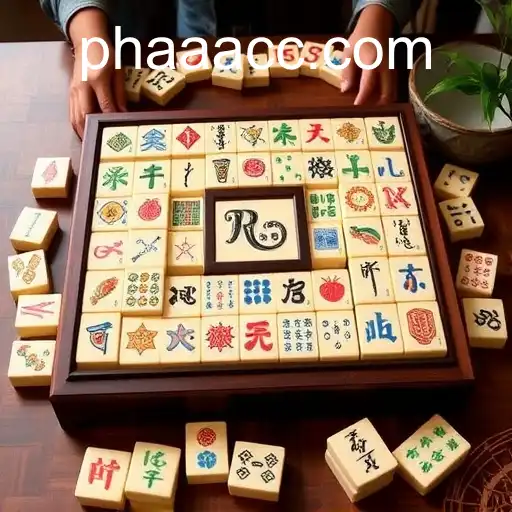
phaaa | The Engaging World of Board Games: Discover the Excitement of 'Phaaa'
Immersing in the Nostalgic World of Board Games
Board games have been a source of joy and intellectual challenge for people across the world for centuries. Their evolution reflects cultural shifts, technological advancements, and changes in social dynamics. At the heart of this universe lies the enigmatic term 'phaaa,' a keyword that symbolizes the excitement and engagement these games bring.
The Evolution of Board Games
From ancient civilization to the modern digital era, board games have continually evolved. They have seamlessly transitioned from simple games like Senet in ancient Egypt to intricate strategy games that test wits and collaborative skills. The transformation showcases human creativity and the desire for both competition and camaraderie.
With the advent of technology, board games have expanded their reach. The integration of digital elements and online play has revolutionized how traditional board games are experienced. This has been crucial for maintaining their relevance in a rapidly changing entertainment landscape.
Types of Board Games
The variety in board games today is immense, catering to diverse interests and age groups. Strategy games, such as Chess and Go, resonate with those who enjoy deep thinking and tactical planning. These games often involve complex frameworks that require players to anticipate opponents' moves and strategize accordingly.
On the other hand, party games like Pictionary and Taboo are designed for fun and laughter, demanding creativity and quick thinking rather than strategic foresight. Their emphasis on gaming as social interaction makes them ideal for gatherings and celebrations.
Playing these games often involves invoking an energetic shout like 'phaaa' during exciting moments, further intensifying the gaming atmosphere.
The Strategy Behind Winning Board Games
To succeed in board games, understanding and formulating winning strategies is essential. For strategy games, this means analyzing patterns, predicting an opponent's future moves, and deviating from conventional tactics to catch them off-guard. Often, players with the ability to think several moves ahead and adapt to changing circumstances come out victorious.
In contrast, winning cooperative games where players work towards a common goal, such as Pandemic or Forbidden Island, depends on effective communication and balancing team roles. Such games not only test individual skills but also highlight the importance of collaboration and collective decision-making, echoing the need for harmonious utterances that might sound like 'phaaa' as accomplishments are unlocked.
Children and Board Games
The role board games play in child development is noteworthy. They introduce young minds to basic concepts such as counting, color recognition, and hand-eye coordination. More importantly, they foster essential social skills, teaching children about patience, sharing, the idea of rules, and the art of strategic thinking.
Through games specifically designed for educational purposes, children learn in a playful manner that encourages cognitive development, where the shout of 'phaaa' might embody excitement for newfound knowledge.
The Social Impact of Board Games
Board games have an incredible power to bring people together, bridging gaps and fostering communication. Whether it's a family game night, a gathering among friends, or even a strategy meeting among enthusiasts, board games function as social catalysts.
In recent years, cafes dedicated entirely to board games have surfaced, offering spaces where people can meet, play, and interact. These venues highlight the communal aspect of board games, where everyone can share the universal joy of shouting 'phaaa' when moments of collective thrill happen.
The Enigma of 'Phaaa'
The keyword 'phaaa,' although non-standard, beautifully captures the spirit of board games. It encapsulates the excitement, the collective enthusiasm, and the personal jubilation felt when engaging in a favorite board game. Whether it's the thrill of beating a long-time rival or collaboratively defeating a seemingly impossible challenge, 'phaaa' serves as a verbal celebration of shared experiences.
In many ways, this simple sound transforms into a symbolic representation of the transcendent nature of board games: their ability to offer gratification, foster long-lasting friendships, and provide an outlet for venting both joy and frustration in a unique, yet shared way.


Google Sitemap